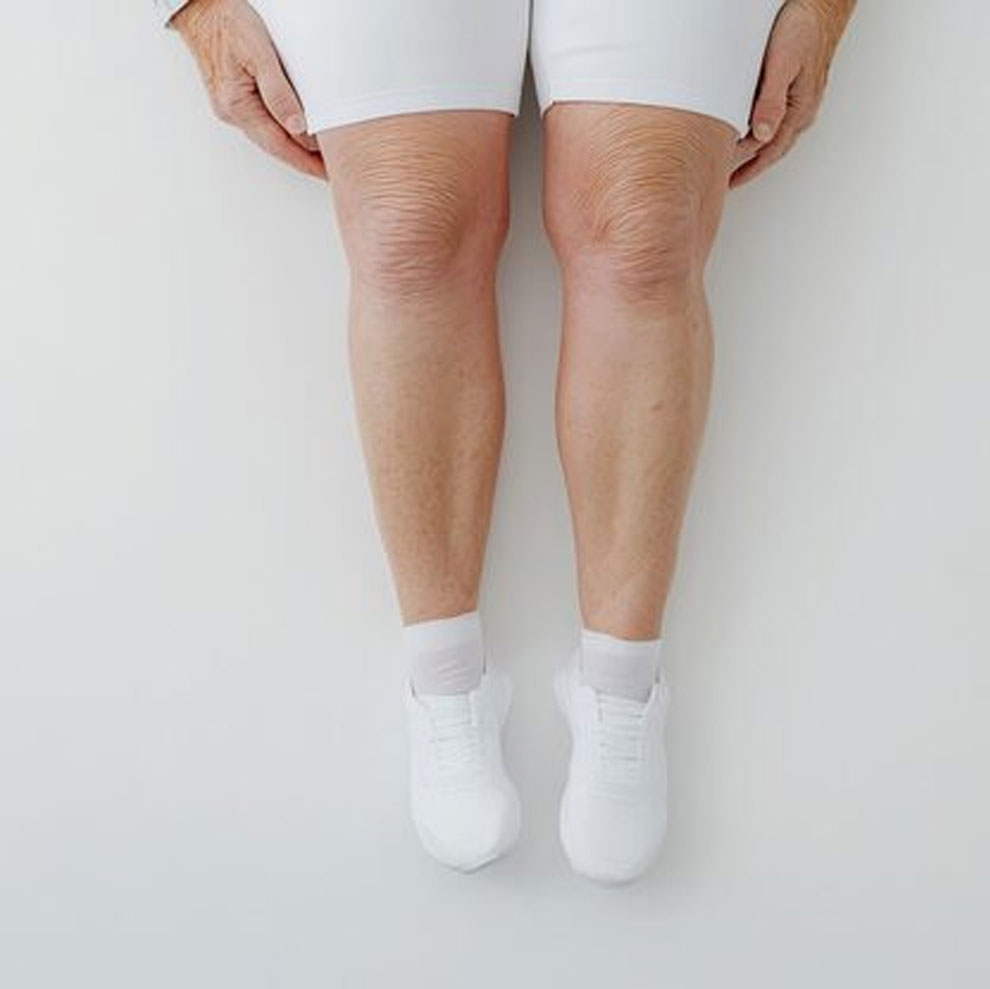






Do you feel a persistent heaviness or swelling in your arms or legs that doesn’t seem to improve with rest? This may be more than temporary fluid retention; it could be lymphedema, a condition that requires structured and ongoing care.
At Elyzee Hospital, we offer comprehensive and personalized lymphedema treatment in Abu Dhabi, focusing on accurate diagnosis, effective symptom control, and long-term management. We focus on more than just reducing swelling; we help you regain comfort, mobility, and confidence in your daily life.
Lymphedema is often overlooked in its early stages, but timely intervention can significantly slow its progression and prevent complications. Understanding the condition in detail is the first step toward effective treatment.
What is Lymphedema treatment in Abu Dhabi
Lymphedema occurs when the lymphatic system is unable to properly drain lymph fluid, leading to its accumulation in tissues. This results in visible swelling, most commonly in the arms or legs, although it can affect other parts of the body as well.The condition may develop gradually and can worsen over time if left untreated.
| Globally, it is estimated that over 250 million people are affected by lymphedema, with a significant number of cases linked to cancer treatments. |
There are two main types:
- Primary lymphedema - caused by developmental abnormalities in the lymphatic system
- Secondary lymphedema - more common, resulting from surgery, radiation therapy, infection, or trauma
Early management plays a key role in preventing complications such as skin thickening, infections, and reduced mobility.
Causes of Lymphedema
Lymphedema may develop as a result of an impaired lymphatic system that doesn’t drain fluid properly. These include:
- Cancer treatments (especially lymph node removal or radiation)
- Infections affecting lymph nodes or vessels
- Surgical procedures involving lymphatic structures
- Trauma or injury to the affected limb
- Obesity, which can impair lymphatic flow
- Genetic or congenital conditions (in primary lymphedema)
Understanding the cause helps guide the most appropriate treatment approach.
Common symptoms of Lymphedema
Symptoms may vary depending on severity, but typically include:
- Persistent swelling in the arm, leg, fingers, or toes
- A feeling of heaviness or tightness
- Reduced flexibility or restricted movement
- Skin changes such as thickening or hardening
- Recurrent infections (such as cellulitis)
- Discomfort or mild pain in the affected area
In the early stages, swelling may come and go. Over time, it can become more constant and harder to manage without treatment.
What is Manual Lymphatic Drainage (MLD)?
Manual lymphatic drainage (MLD) is a specialized, gentle massage technique performed by trained therapists. It involves slow, rhythmic movements that stimulate the lymphatic system and encourage the flow of lymph fluid toward healthy drainage pathways.Unlike regular massage, MLD is:
- Very light in pressure
- Focused on lymphatic pathways rather than muscles
- Designed to reduce swelling safely
MLD is often a key component of complete decongestive therapy and is especially effective in early to moderate stages of lymphedema.
Key treatment approaches
At Elyzee Hospital, treatment may include:
- Manual lymphatic drainage (MLD) to improve lymph flow
- Compression therapy for lymphedema, using bandages or garments to prevent fluid buildup
- Exercise therapy is designed to stimulate circulation
- Skin care management to reduce infection risk
- Liposuction for lymphedema, in advanced cases with excess tissue buildup
Each plan is tailored based on the stage and severity of the condition.
Who is an ideal candidate?
You may benefit from lymphedema treatment in Abu Dhabi if you:
- Have visible or persistent swelling in a limb
- Have undergone cancer surgery or radiation
- Experience heaviness or tightness in affected areas
- Notice repeated skin infections
- Have been diagnosed with lymphatic dysfunction
Early diagnosis often leads to better outcomes, especially when treatment begins before significant tissue changes occur.
How does the treatment work?
Treatment is typically carried out in phases:
- Assessment and diagnosis A detailed evaluation helps determine severity and underlying causes.
- Intensive phase Focuses on reducing swelling through:
- Manual lymphatic drainage (MLD)
- Compression bandaging
- Guided exercises
- Maintenance phase Focused on helping you maintain results for the long term:
- Compression therapy for lymphedema
- Lifestyle adjustments
- Regular follow-ups
- Advanced treatment In certain cases, liposuction for lymphedema may be recommended to remove excess fatty tissue caused by long-standing swelling.
Impact of untreated Lymphedema
| Aspect | With treatment | Without treatment |
| Swelling | Controlled and reduced | Progressively worsens |
| Mobility | Improved flexibility | Restricted movement |
| Skin health | Maintained | Thickening and infections |
| Daily comfort | Better quality of life | Increasing discomfort |
| Complications | Lower risk | Higher risk of cellulitis and fibrosis |
This highlights the importance of early and consistent treatment.
Recovery and long-term care
Lymphedema management is ongoing, but improvements can be seen with regular care.Recovery expectations:
- Swelling reduction within a few weeks in early cases
- Gradual improvement over months
- Long-term maintenance required
Aftercare includes:
- Wearing compression garments daily
- Maintaining proper hygiene and skin care
- Avoiding injuries to the affected area
- Staying active with prescribed exercises
- Regular medical follow-ups
Consistency plays a major role in long-term success.
Risks and considerations
Lymphedema treatment is generally safe, but patients should be aware that:
- It requires long-term commitment
- Symptoms may return if care is discontinued
- Compression garments may need adjustment over time
- Surgical options carry standard risks
- Advanced stages may require more intensive management
With the right guidance and personalized care, these risks can be eliminated.
Benefits of Lymphedema treatment
With consistent care, patients may experience:
- Noticeable reduction in swelling
- Improved limb movement and flexibility
- Decreased discomfort and heaviness
- Lower risk of infections
- Healthier skin condition
- Better overall quality of life
While the condition is chronic, proper management can make symptoms much easier to control.
Why choose Elyzee Hospital?
For those seeking lymphedema treatment in Abu Dhabi, Elyzee Hospital offers a patient-focused and medically grounded approach.
- Experienced specialists in lymphatic disorders
- Individualized treatment plans tailored to each patient
- Access to therapies like manual lymphatic drainage (MLD)
- Careful use of advanced options, such as liposuction, when required
- Emphasis on patient education and long-term care
- Supportive, safe, and professional environment
We focus on realistic outcomes, patient comfort, and sustainable improvement.
Take the next step toward better management
Living with lymphedema can be challenging, but the right care can make a significant difference. At Elyzee Hospital, we provide structured and compassionate care tailored to your condition and lifestyle.If you are experiencing symptoms or have been diagnosed, consult our specialists for expert guidance on lymphedema treatment in Abu Dhabi. Early and consistent care can help you manage symptoms effectively and improve your overall quality of life.
Book your consultation today and take a confident step toward long-term relief.