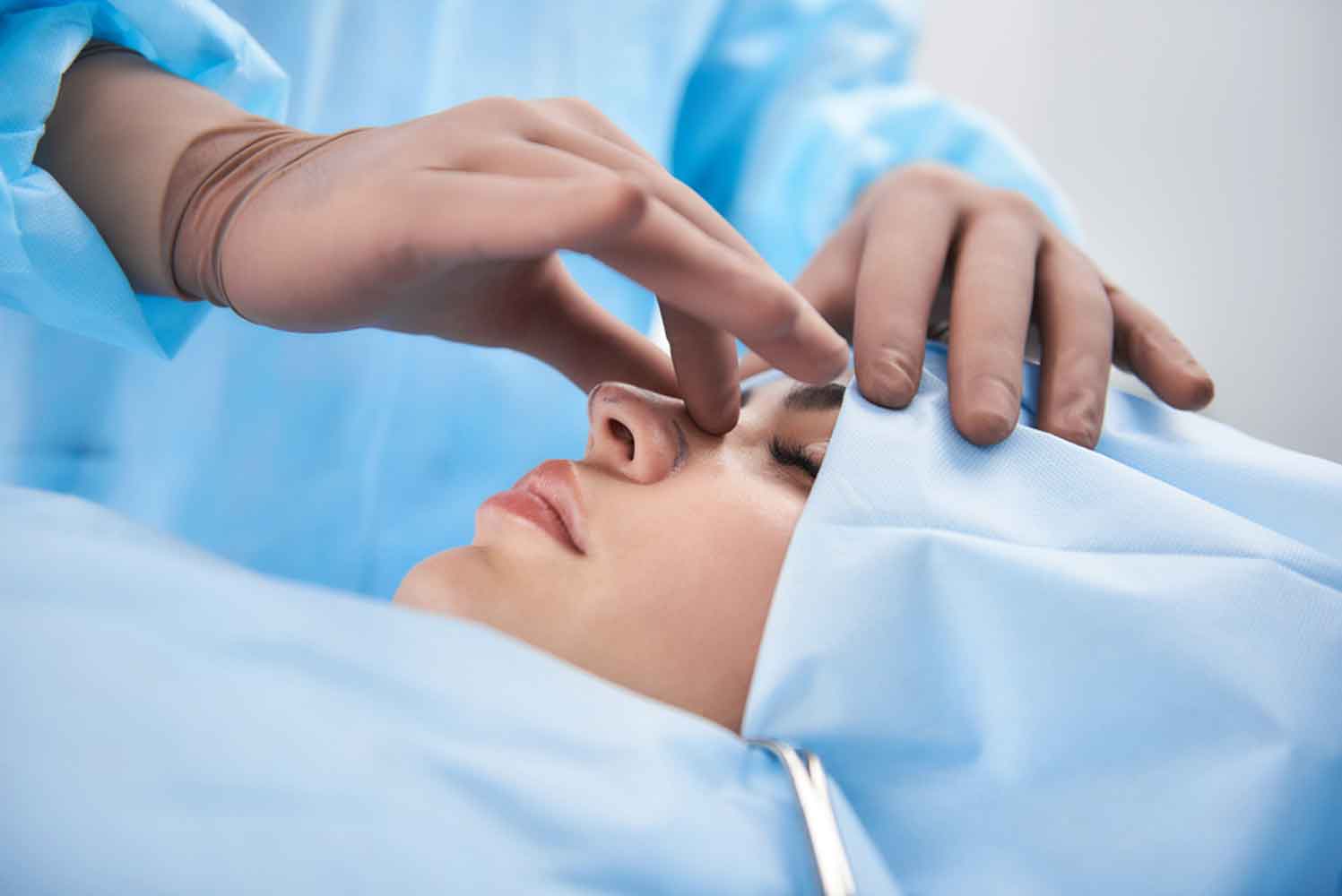


What Is Structural Rhinoplasty?
Structural rhinoplasty is an advanced nose surgery technique that focuses on rebuilding, reinforcing, and reshaping the nasal framework using cartilage grafts. This approach is also commonly referred to as cartilage graft rhinoplasty, graft-based rhinoplasty, or structural nasal reconstruction.
Unlike traditional reduction-based rhinoplasty, structural rhinoplasty emphasizes long-term stability, natural aesthetics, and functional breathing support.
At Elyzee Hospital, structural rhinoplasty is performed using modern grafting principles to achieve predictable, durable, and natural-looking results.
Cartilage Graft Rhinoplasty Technique Explained
The cartilage graft rhinoplasty technique involves the strategic placement of cartilage grafts to strengthen weak nasal structures, refine contours, and prevent future collapse or deformity. This technique is also medically known as nasal cartilage grafting or autologous cartilage graft rhinoplasty, as the grafts are taken from the patient’s own body.
Structural rhinoplasty with cartilage grafts is widely used in revision rhinoplasty, reconstructive rhinoplasty, and complex primary nose surgery.
Other Common Names for Structural Rhinoplasty
For clarity and patient understanding, structural rhinoplasty may also be described using the following accepted terms:
- Structural Rhinoplasty Technique
- Cartilage Graft Rhinoplasty
- Graft-Based Rhinoplasty
- Nasal Cartilage Grafting Surgery
- Reconstructive Rhinoplasty with Grafts
- Advanced Structural Nose Surgery
All of these terms refer to the same core principle: strengthening and shaping the nose using cartilage support.
Types of Cartilage Used in Structural Rhinoplasty
Structural rhinoplasty may involve different types of cartilage grafts depending on the patient’s anatomy and surgical goals. Common sources include:
- Septal cartilage grafts (from the nasal septum)
- Auricular cartilage grafts (from the ear)
- Costal cartilage grafts (from the rib)
During consultation at Elyzee Hospital, the most suitable cartilage source is selected to ensure safety, strength, and long-term success.
Who Is an Ideal Candidate for Structural Rhinoplasty?
Structural rhinoplasty is ideal for patients with weak nasal support, collapsed nasal valves, asymmetry, breathing difficulties, or those requiring revision rhinoplasty after previous nose surgery.
This technique is also recommended for individuals seeking stable, natural results rather than temporary or over-reduced outcomes.
Key Benefits of Structural Rhinoplasty
- Strong, long-term nasal support
- Improved nasal shape, definition, and symmetry
- Enhanced breathing and nasal airflow
- Reduced risk of future nasal collapse
- Essential for complex and revision rhinoplasty cases
How Structural Rhinoplasty Is Performed
The procedure is performed under anesthesia in a fully equipped surgical environment. Cartilage grafts are harvested, sculpted, and placed precisely to reinforce the nasal framework.
This structural approach focuses on rebuilding the nose rather than simply reducing it, ensuring both aesthetic refinement and functional stability.
Recovery and Expected Results
Post-operative swelling and mild discomfort are expected and gradually resolve. Recovery time depends on the extent of grafting and surgical complexity.
As healing progresses, the nose achieves improved strength, balanced proportions, and a natural appearance. Elyzee Hospital provides comprehensive post-operative care to support optimal healing and long-term satisfaction.
Why Choose Elyzee Hospital for Structural Rhinoplasty?
Elyzee Hospital is a leading center for advanced rhinoplasty and facial plastic surgery. Our expertise in structural rhinoplasty, cartilage grafting, and reconstructive nose surgery ensures precise outcomes, natural aesthetics, and preserved nasal function.