

What Is a Nasal Septum Perforation?
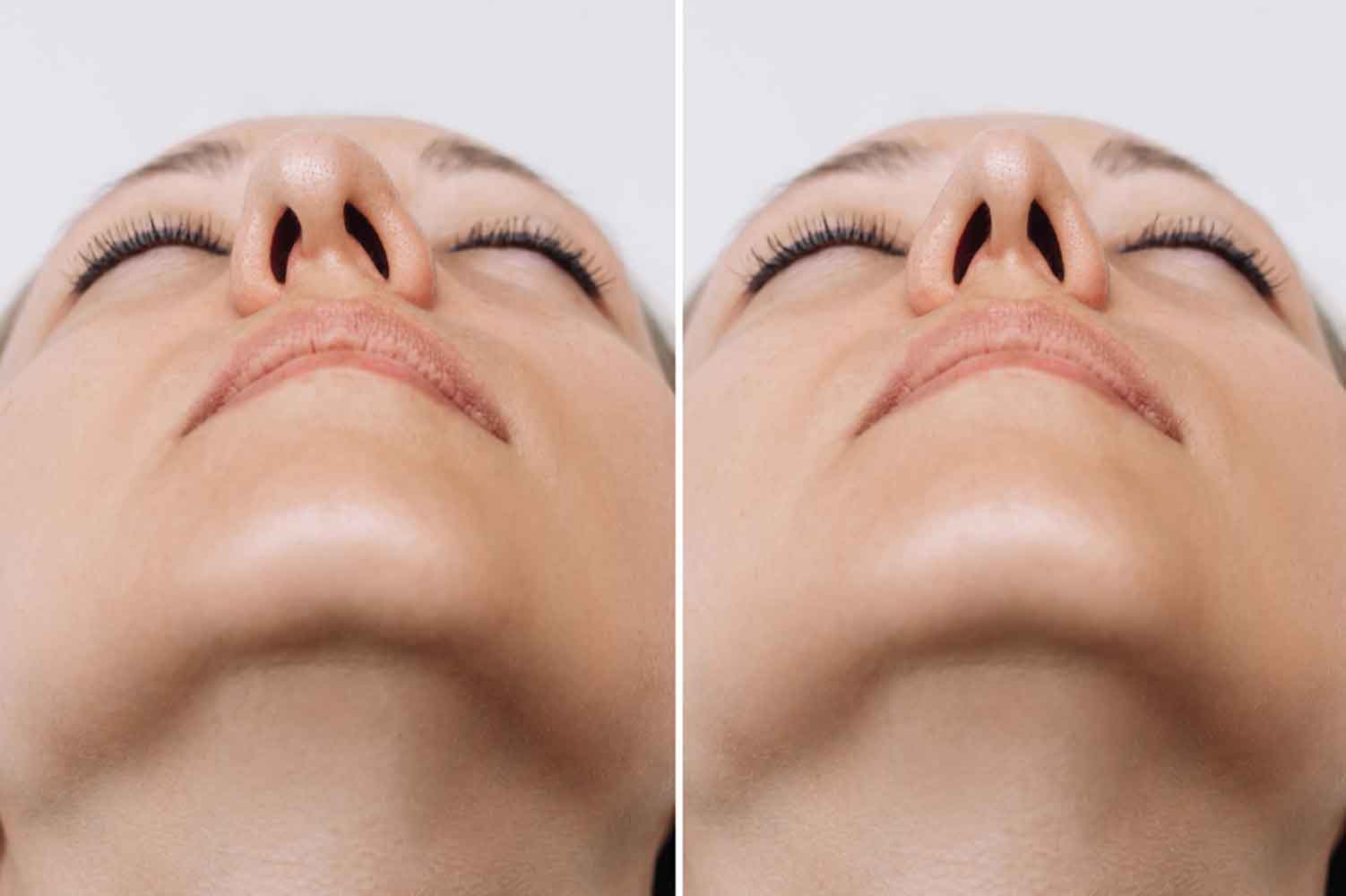
A nasal septum perforation, also commonly referred to as a septal perforation, perforated nasal septum, or a hole in the nasal septum, is a condition where an abnormal opening forms in the cartilage and bone that separate the two nostrils.
This condition is sometimes described by patients as a “hole in the nose” or “septum hole,” and it can significantly affect breathing comfort and nasal health.
At Elyzee Hospital, septal perforation repair focuses on restoring nasal structure, improving airflow, and relieving symptoms using advanced reconstructive techniques.
Common Symptoms of Septal Perforation
The symptoms of a nasal septal perforation vary depending on the size and location of the defect. Patients may experience nasal dryness, crusting, frequent nosebleeds, a whistling sound when breathing, nasal congestion, or difficulty breathing.
If left untreated, a perforated nasal septum may increase in size and lead to further nasal instability.
Causes of a Perforated Nasal Septum
A septal perforation may develop following previous nasal surgery such as septoplasty or rhinoplasty, nasal trauma, prolonged use of nasal sprays, infections, inflammatory conditions, or reduced blood supply to the septum.
A thorough assessment at Elyzee Hospital helps identify the underlying cause and determine the most appropriate treatment approach.
What Is Septal Perforation Repair?
Septal perforation repair, also known as nasal septum repair surgery, septal reconstruction, or surgical closure of a septal perforation, is a specialized procedure designed to close the hole in the nasal septum and restore normal anatomy.
Advanced techniques may involve the use of local tissue flaps, cartilage grafts, or a combination of reconstructive methods to achieve durable closure and functional improvement.
Who Is an Ideal Candidate for Septal Perforation Repair?
Septal perforation repair is suitable for patients with persistent symptoms such as nasal bleeding, crusting, airflow disturbance, or discomfort that does not improve with conservative management.
A detailed evaluation at Elyzee Hospital considers the size of the septum hole, nasal anatomy, and overall health before recommending surgery.
Key Benefits of Septal Perforation Repair
- Restores normal nasal airflow
- Reduces dryness, crusting, and recurrent nosebleeds
- Eliminates whistling sounds during breathing
- Prevents enlargement of the septal defect
- Improves overall nasal comfort and quality of life
How Septal Perforation Repair Is Performed
The procedure is performed under anesthesia in a fully equipped surgical environment. The surgeon carefully mobilizes surrounding nasal tissues and may use cartilage grafts or reconstructive flaps to close the perforation.
This approach is sometimes referred to as functional septal reconstruction or endoscopic septal perforation repair, depending on the technique used.
Recovery and Expected Results
After surgery, patients may experience temporary nasal congestion, swelling, or mild discomfort, which gradually improves. Recovery time depends on the size of the perforation and the repair technique.
As healing progresses, patients experience improved breathing, reduced symptoms, and restored nasal function. Elyzee Hospital provides structured post-operative care to support long-term success.
Why Choose Elyzee Hospital for Septal Perforation Repair?
Elyzee Hospital is a trusted center for advanced nasal and facial reconstructive surgery. Our expertise in septal reconstruction, nasal cartilage grafting, and functional nasal surgery ensures precise repair and patient-focused outcomes.